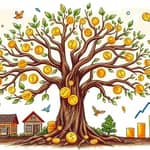
The global wealth divide has reached unprecedented levels, affecting billions of lives. Understanding its causes and remedies is essential for creating a fair and sustainable future.
The numbers are staggering: the top ten percent of earners in the world capture over half of total income, while the bottom half of the world’s population struggles with less than ten percent. This concentration of resources is not a distant concern; it shapes access to healthcare, education, and opportunity every day for millions.
Despite overall economic growth, the share of income held by the highest earners has climbed steadily since 1980. Wealth gaps far outpace income gaps, with regions like North America and the Middle East showing ratios over 500 to one between top and bottom halves. These figures reveal a system that perpetuates advantage and neglects those most in need.
Inequality is deeply rooted in historical discrimination and disinvestment, where policies and practices have systematically favored certain groups. Colonial legacies, redlining in housing markets, and unequal educational funding have all compounded barriers to wealth building for marginalized communities.
On a global scale, the financial architecture transfers resources from poorer nations to wealthier ones through imbalanced investments and aid structures. This persistent global inequality is reinforced by loopholes that allow capital to flow freely to tax havens, exacerbating the gap between rich and poor countries alike.
Governments and institutions have a vital role in closing the divide. By implementing progressive mechanisms, they can redistribute resources and empower wider segments of society.
Beyond broad fiscal reforms, specific policies can directly boost asset building and opportunities for lower-income populations. These measures foster upward mobility and reduce vulnerability to economic shocks.
The racial wealth gap, particularly pronounced in countries like the United States, demands dedicated strategies. Decades of disinvestment and discriminatory lending have left Black and Indigenous communities with far fewer assets and opportunities.
To address these injustices, stakeholders can adopt:
While systemic change is crucial, individuals and communities can also take smart financial steps. Building reserves, investing in education, and fostering entrepreneurship create resilient networks of support.
Local cooperatives and community development financial institutions offer alternatives to traditional banking, directing capital toward small businesses and housing projects that uplift neighborhoods. By sharing resources and knowledge, these models empower communities through cooperatives and collective ownership structures.
The scale of inequality varies by region, highlighting where urgent attention is needed. Below is a snapshot of recent Gini coefficients, illustrating disparities between high-inequality and low-inequality nations.
The wealth gap is not an inevitable fate but a challenge we can overcome together. Policymakers, businesses, and citizens must commit to sustained efforts that combine regulation, investment, and innovation.
By championing fair lending and inclusive hiring, supporting diverse entrepreneurship, and insisting on data-driven progress and accountability, we can create economic systems that serve everyone. The path to equity demands vision, leadership, and collaboration—but the rewards are a more just, resilient world where opportunity flows beyond narrow elite circles.
Our collective future depends on bridging the divide today through smart decisions, bold policies, and empowering communities everywhere.
References