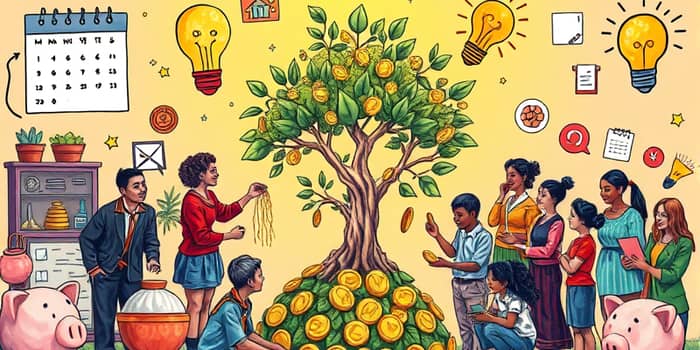
In a world of rising costs and economic uncertainty, mastering personal finance has never been more critical. With thoughtful planning and disciplined habits, anyone can turn limited resources into lasting security. This guide presents actionable, evidence-based steps rooted in data to help you define your objectives, control spending, and unlock long-term growth. From goal-setting to debt management, discover strategies that deliver real impact on your financial journey in 2026 and beyond.
Great financial progress begins with crystal-clear targets. Start by reviewing your current income streams, fixed obligations, and discretionary spending. This baseline informs realistic objectives like building an emergency cushion or paying down high-interest debt. Translate aspirations into measurable outcomes by specifying timelines and amounts.
Examples of goals include:
Review goals monthly and adjust priorities as income or expenses shift. Visualizing success makes each milestone more motivating.
Allocating every dollar with purpose is key to avoiding waste and ensuring progress. Below is a table of popular budgeting frameworks tailored for different needs.
Choose a framework that aligns with your spending style, then track performance regularly. Flexibility is vital as needs evolve through the year.
True awareness of spending stems from meticulous monitoring. Commit to track every single expense for at least 90 days. Use mobile apps, spreadsheets, or bank statements to categorize costs and highlight top outlays.
Small reductions in recurring costs compound over time, freeing up cash for goals or investments.
Establishing a robust safety net shields you from unexpected setbacks. Aim for a 3-6 months emergency fund parked in a separate, easily accessible account. Automate transfers on each payday to build momentum without relying on willpower.
Over time, consistent contributions cultivate financial resilience and peace of mind.
Relying on a single paycheck can expose you to risk. Explore side hustles, freelancing, or passive streams like dividend-paying investments. diversify income streams effectively to cushion against job changes or market shifts.
On the debt front, prioritize high-interest obligations such as credit cards. Channel extra funds toward the highest APR balance first—known as the avalanche method—to minimize total interest paid. Once cleared, redirect those payments toward your next target or savings goal.
Mindfulness transforms consumption from automatic habit to deliberate choice. Before any purchase, ask how it aligns with your larger objectives. By practicing intentional purchases aligned with priorities, you’ll distinguish true needs from fleeting wants.
Consider waiting 24 to 30 days before committing to non-essential buys. This pause often reveals impulse patterns and reduces regretful spending.
Accumulating wealth requires patient commitment to growth vehicles. Prioritize tax-advantaged retirement accounts and aim to maximize retirement contributions for compounding power. Diversify across equities, bonds, and mutual funds tailored to your risk tolerance and horizon.
Review asset allocation annually and rebalance to maintain strategic targets. Early and steady investments harness market gains over decades, turning modest contributions into substantial portfolios.
Designing a step-by-step plan boosts accountability and keeps momentum. Here’s a sample four-week kickoff schedule:
Adapt this template to fit your pace and complexity. Celebrate each completion, no matter how small, to sustain enthusiasm.
Transforming your financial life is a journey of deliberate choices and steady progress. By setting clear goals, wielding budgets wisely, and fostering mindful habits, you’ll maximize value and minimize waste each month. Remember to automate savings, diversify income, and invest for the future. Most importantly, take time to celebrate every small victory as you cultivate lasting financial well-being. Your roadmap starts today—take the first confident step toward a more secure tomorrow.
References