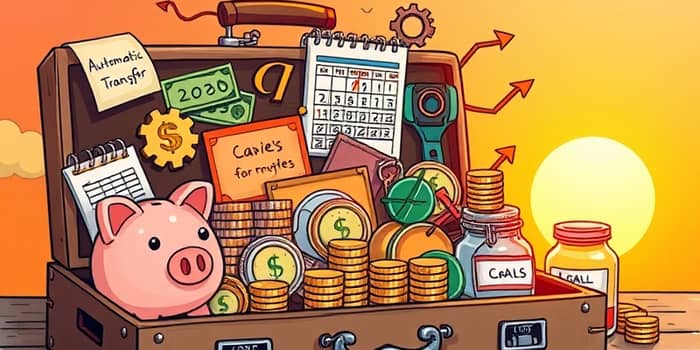
In a world of endless spending temptations and ever-changing financial landscapes, having a reliable set of tools can transform your savings journey. Whether you’re just starting or refining an established habit, understanding proven strategies will help you navigate challenges and accelerate your progress.
By applying practical techniques, you can cultivate a mindset of abundance and resilience. The Smart Saver’s Toolkit equips you with actionable steps, from automated transfers to mindful expense reviews, so you can watch your nest egg grow with confidence.
One of the most powerful ways to grow your savings is to remove decision-making from the process. When you automate transfers on payday, saving becomes a routine rather than a choice. This method ensures you consistently pay yourself first, reducing the temptation to spend every available dollar.
Many savers report feeling more organized and stress-free when their accounts are structured around automatic contributions. You avoid the scramble at month-end and minimize the risk of missed goals, setting the stage for long-term success.
High income does not guarantee financial stability. What truly matters is your monthly cash flow—the money left after covering fixed bills and essential expenses. Tracking cash flow allows you to make deliberate decisions about how much you can save and where you might adjust spending.
By creating a simple worksheet or using budgeting software, you can categorize earnings and outflows. This foundational awareness gives you the power to allocate funds with intention, ensuring every dollar has purpose and preventing unexpected shortfalls.
Recurring subscriptions and creeping fees often slip under the radar, draining your resources without meaningful benefit. Conducting a quarterly audit helps you reclaim those funds and reinvest them in your goals.
Meanwhile, many essential services, such as phone plans and insurance policies, are subject to annual price hikes. By proactively reviewing and renegotiating your agreements, or switching to fixed-rate options, you can lock in stable rates before price increases and protect your budget from sudden shocks.
You don’t need drastic lifestyle overhauls to see significant savings. Often, a handful of tweaks can compound over time and accelerate your progress.
These small, compounding adjustments without drastically changing lifestyle ensure you maintain comfort while steadily increasing your savings rate.
Choosing a budgeting method that aligns with your personality and goals is essential. Two popular approaches provide structure while allowing flexibility:
Both methods encourage intentional spending and prioritization. Experiment to find which framework resonates with your lifestyle and provides the accountability you need.
Consistency breeds confidence. Scheduling a monthly financial review lets you catch overspending early, spot new fees, and celebrate milestones. These check-ins turn abstract goals into tangible achievements by keeping you connected to the numbers.
Use digital tools, spreadsheets, or a simple notebook—what matters is the habit. This practice fosters ongoing awareness and intentional adjustments, making it easier to stay on course even when life gets busy.
Goals without deadlines are dreams. To keep motivation high, establish clear, time-bound objectives. Open separate sub-accounts labeled for each purpose—emergency fund, vacation, home down payment—and watch your progress in real time.
For example, aim to save $5,000 in six months by allocating $850 per month. This specific target gives you clarity and a sense of purpose, turning every deposit into a meaningful step toward a tangible outcome.
An emergency fund is your financial safety net. Aim to cover two to six months of essential expenses, adjusting based on personal comfort and job stability. This cushion prevents unexpected costs from derailing your long-term plans.
Don’t overlook year-end tax and retirement planning. Maximize contributions to tax-advantaged accounts, verify charitable donation totals, and review withholding to avoid surprises during tax season. Small tweaks before December 31st can yield significant savings and peace of mind.
Finally, remember that financial growth is a marathon, not a sprint. Embrace the principle of treating savings as a priority expense. By paying yourself first, automating contributions, and staying mindful of your cash flow, you’ll transform saving from a chore into a rewarding habit.
Your journey to financial freedom begins with intentional steps and consistent practices. Use this toolkit to build momentum, adapt strategies to your unique circumstances, and celebrate every milestone. With patience and perseverance, you’ll unlock your full savings potential and secure a brighter, more resilient future.
References