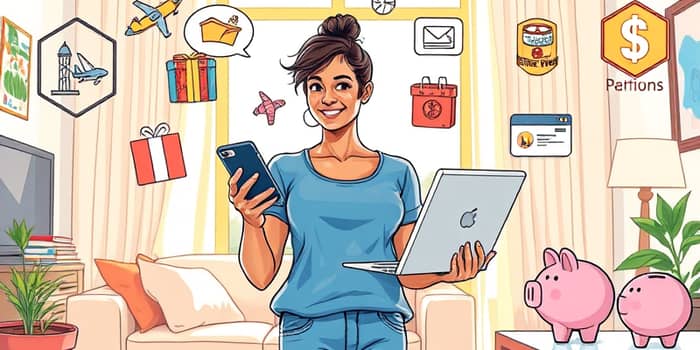
In early 2026, consumers have transformed into strategic, value-driven participants in the economy, combining ambition with prudence.
The modern buyer is no longer swayed by impulse alone. Instead, they embrace savvy, intentional, and value-driven spender roles, weighing each purchase against long-term goals.
Despite persistent concerns about inflation, transaction volumes remain robust. This reflects a paradox: cautious survey responses alongside resilient spending behaviors. The enlightened consumer navigates these contradictions with purpose and foresight.
2026’s economy is defined by a clear divide. Upper-income households continue to invest in luxury and experiences, while middle and lower-income groups downshift to essentials and promotions.
Affluent consumers, representing the top third by income, now account for over half of total spending. They exhibit affluent groups spending resiliently amid ongoing economic divergence, driving growth in premium cards and high-value transactions.
Conversely, the middle-income segment trades down on groceries and home essentials, searches for deals, and postpones discretionary buys. Lower-income families restrict spending to necessities, maximizing discounts and private labels at every opportunity.
Across all segments, deal-seeking is the default strategy. Consumers are embracing digital tools and old-school savvy to stretch every dollar.
These tactics have become mainstream: 64% of shoppers use digital coupons, 60% rely on in-store deals, and 88% plan to maintain or increase private-label purchases. By actively comparing for best deals, consumers protect their budgets without sacrificing satisfaction.
To translate tactics into lasting habits, many turn to the 50/30/20 rule: 50% of income on needs, 30% on wants, and 20% toward savings or debt repayment.
Beyond percentages, practical steps amplify results. Consumers automate savings to high-yield accounts by treating them like monthly bills, set named goals (for vacations or emergencies), and review budgets weekly to stay on track.
These measures help counterbalance a historic 3.5% personal saving rate, which fell to its lowest in late 2025. Automation and clarity ensure habits stick even when paychecks tighten.
Marketers must tailor approaches to each group. Affluent buyers respond to premium messaging, exclusive perks, and curated experiences. They invest in travel, cruises, events, and high-end credit card benefits.
In contrast, value-focused consumers seek reassurance in pricing, reliability, and straightforward rewards. They gravitate to buy-one-get-one offers, digital rebates, and private-label quality guarantees.
Brands that recognize these distinctions—and offer both premium experiences like travel and events and reliable value propositions—will capture the broadest audience and foster loyalty.
Several forces will shape consumer spending through 2026 and beyond. Technology, sustainability, and evolving social behaviors stand out.
At the same time, digital promotions and AI-driven personalization will deepen engagement. Seventy percent of shoppers now expect tailored offers via apps and loyalty programs, reflecting their desire for convenience and relevance.
Meanwhile, policy shifts—such as targeted tax cuts favoring higher incomes—will further entrench the K-shaped recovery, amplifying the divide between spenders.
To thrive, individuals and businesses alike must adopt a strategic viewpoint. Shoppers should blend disciplined budgeting with occasional indulgences, reinforcing resilience and satisfaction.
Brands should lean into transaction data—rather than sentiment surveys alone—to craft personalized offers, enhance in-store experiences, and optimize omnichannel loyalty initiatives.
Above all, the enlightened consumer is defined by adaptability: making choiceful, responsible decisions that balance present enjoyment with future security.
Adopt smart spending habits today and transform uncertainty into opportunity. In 2026, financial empowerment belongs to those who plan, prioritize, and proceed with purpose.
References