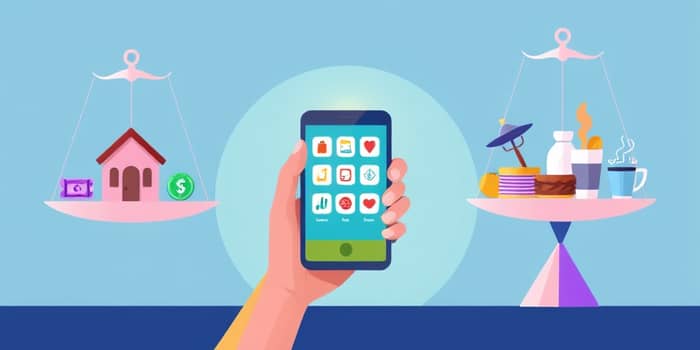
In today's complex financial landscape, mastering the art of distinguishing needs from wants is not just a skill—it's a gateway to financial freedom and personal fulfillment.
This fundamental practice can transform how you manage money, leading to greater security and reduced stress.
By understanding what is essential versus what is optional, you can make informed decisions that align with your long-term aspirations and daily life.
Needs are the essential expenses required for survival and basic living standards.
These include housing, utilities, groceries, and transportation, which are non-negotiable for safety and well-being.
Without covering needs, you risk severe consequences like utility disconnection or even foreclosure.
On the other hand, wants are discretionary expenses that enhance comfort but are not necessary for survival.
Examples range from dining out and entertainment to luxury upgrades like high-end cars or designer clothing.
This distinction is crucial for prioritizing expenses effectively in your budget.
Gray areas often exist, such as a car being a need for commuting but a luxury model being a want.
Food is a need, but eating out daily is a want, highlighting the importance of context in decision-making.
A widely recommended method is the 50/30/20 rule for allocation of your after-tax income.
This framework suggests dedicating 50% to needs, 30% to wants, and 20% to savings or debt repayment.
To implement this, start by listing all monthly expenses and categorizing them accurately.
Always prioritize needs over wants to build a solid financial foundation and avoid pitfalls.
This approach ensures that basic necessities are covered first, allowing for discretionary spending without guilt.
Before making any purchase, ask yourself key questions to evaluate its necessity.
For major purchases, such as a car or home appliance, evaluate if they serve a fundamental purpose without compromising your essential needs.
Tracking your spending can reveal impulse buys and help adjust habits over time, leading to more mindful consumption.
Consider gray areas by assessing the context: for instance, a basic phone plan is a need, but unlimited data might be a want.
In 2026, U.S. consumer spending growth is projected to slow to 1.8%, reflecting economic shifts and income disparities.
Higher-income households are driving over half of this spending, while many others live paycheck-to-paycheck, underscoring the need for careful budgeting.
Resilient consumers prioritize experiences like cruises and concerts, even amid inflation, showing a shift towards value-based spending.
Key trends highlight how needs and wants evolve with societal changes, making it essential to stay informed.
These trends suggest that adapting to new consumer behaviors can enhance your financial planning and habit-building efforts.
To cultivate lasting change, start by tracking and categorizing your expenses using modern tools.
Apps and spreadsheets can help identify leaks, such as unused subscriptions or frequent impulse buys.
Regularly review your budget to adjust for life changes and celebrate "minorstones"—small wins—to maintain motivation without overspending.
This holistic approach fosters balanced financial responsibilities with enjoyment, reducing stress and increasing fulfillment.
Distinguishing needs from wants is a powerful tool for achieving financial stability and long-term success.
By applying practical strategies, staying aware of trends, and building consistent habits, you can navigate economic challenges with confidence.
Start today by assessing your expenses, making conscious choices, and embracing tools that support your journey.
Your future self will thank you for the security and peace of mind that comes from smart, intentional spending.
Remember, financial well-being is not about deprivation but about aligning your resources with what truly matters to you.
References