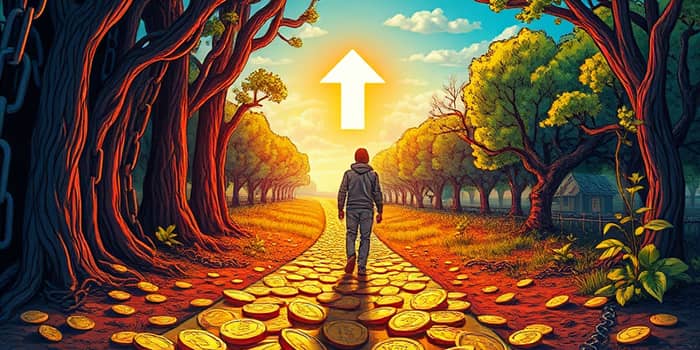
Financial uncertainty can feel overwhelming when debts pile up and economic pressures mount. Yet, with clear, actionable steps and unwavering determination, you can transform your financial reality.
In this guide, we’ll explore the 2026 debt landscape, outline a five-step plan tailored to your needs, and show how to maintain momentum as you transition into the wealth-building phase of your journey.
Today’s economic backdrop is challenging. Inflation remains stubborn, incomes stagnate, and the average consumer credit card APR hovers around 20–22%. Against this backdrop, nearly half of Americans begin the year carrying balances, and 32% believe their finances will worsen.
Despite pessimism, a strong desire for improvement emerges. Over 90% of households set financial goals for 2026, with 36% prioritizing debt reduction. Yet only 21% take meaningful action, leaving thousands of dollars in interest payments unaddressed.
Adding to personal burdens, national debt stands at nearly 98% of GDP in 2024 and is projected to climb. As federal interest payments approach $1 trillion, individual borrowers face higher costs and stricter collection practices.
Embarking on a debt-free journey requires a clear roadmap. This five-step plan adapts to your income, debt types, and personal goals.
Step 1: Begin by listing every debt—from high-rate credit cards to small personal loans—so you know exactly where you stand. Identify the highest-cost obligations first.
Step 2: If you qualify for a 0% APR introductory offer, transfer balances and aim to clear them before the rate spikes. Alternatively, a consolidation loan can reduce complexity and interest.
Step 3: With the avalanche method, direct extra payments to your smallest-rate debts, then roll those payments forward. The snowball approach targets the smallest balances first, fueling motivation with quick wins.
Step 4: Audit your spending: cancel unused subscriptions, limit dining out, and challenge impulse buys. Even modest monthly savings compound, shaving months off your payoff timeline.
Step 5: Once you’ve cleared debt, shift to a strict cash-first philosophy. This practice cements healthy habits and keeps you insulated from high-interest credit temptations.
Psychological and economic hurdles can derail even the best plans. Inflation, stagnant wages, and unexpected emergencies often push debt repayment down the priority list.
Yet, motivation thrives on visible progress and clear rewards. Studies show that seeing balances fall, even by small amounts, boosts confidence and commitment. Nearly 40% of people believe better habits and income growth will improve their finances this year.
Early creditor engagement can also preserve options. If you anticipate hardship, reach out to negotiate lower rates or payment plans before accounts become delinquent.
When debts are eliminated, the real transformation begins. Redirect the funds once dedicated to creditors into savings, investments, and an emergency fund. This shift fuels wealth accumulation and shields you from future shocks.
Long-term goals might include funding retirement accounts, investing in index funds, or saving for a down payment on a home. Tailor your strategy by life stage: younger individuals may prioritize income growth, while Baby Boomers might focus on consolidating wealth and protecting assets.
Adopting consistent saving habits and sticking to a budget ensures you never fall back into debt. Remember, the transition from payer to saver is a powerful mindset shift—one that cements a lifetime of financial resilience.
Your journey from debt to dream isn’t just about numbers; it’s a testament to perseverance, planning, and the belief that true freedom lies beyond financial chains. Start today, and each payment will bring you closer to the life you envision.
References