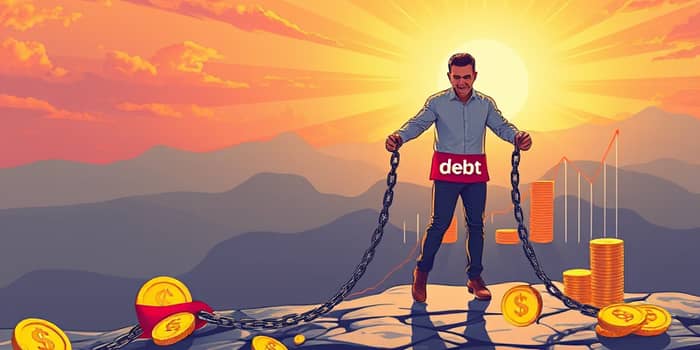
Debt can feel like a heavy burden, but it doesn't have to control your life forever. Take the first step towards liberation by embracing this guide.
Imagine waking up without financial anxiety, with every dollar working for your dreams. This is possible with dedication and the right approach.
We'll explore proven methods, backed by data and real success stories, to help you rebuild. Your path to recovery begins with a clear plan.
Understanding your debt is the foundation of any recovery strategy. Start by gathering all financial documents in one place.
Create a detailed list of every debt you owe. This includes credit cards, loans, and any other obligations.
Next, analyze your income and monthly expenses. Categorize spending into essentials and non-essentials.
Prioritize housing, utilities, and food to ensure basic needs are met. This clarity empowers you to make informed decisions.
Immediately stop using credit cards to prevent further debt accumulation. This simple action can significantly reduce financial stress.
Selecting a repayment strategy that aligns with your personality is crucial for long-term success. Two popular options offer different benefits.
The debt snowball method focuses on paying off the smallest balance first. This provides quick wins and boosts motivation.
Alternatively, the debt avalanche method targets debts with the highest interest rates. This approach saves more money over time.
Use online calculators to compare how each method affects your timeline. Finding the right fit can accelerate your debt-free journey.
Remember, consistency is key. Stick to your chosen plan and adjust as needed based on life changes.
Open communication with creditors can lead to more manageable terms. Many people fear this step, but it's often rewarding.
Contact creditors early if you're struggling to make payments. Explain your situation honestly and respectfully.
Propose a payment plan that aligns with your income, such as partial payments on paydays. Early outreach increases the likelihood of cooperation.
Creditors may offer hardship programs or reduced settlements. This proactive approach can turn a daunting situation into a manageable one.
If standard repayment isn't feasible, consider formal debt relief programs. These provide structured paths to reduce or eliminate debt.
Debt management plans (DMPs) involve working with credit counseling agencies. They negotiate with creditors for lower rates and consolidated payments.
Debt consolidation combines multiple debts into a single loan with a lower interest rate. This simplifies your monthly payments.
Success rates for DMPs can reach 68.4%, making them a viable option. Evaluate each choice carefully to match your circumstances.
Leverage technology to optimize your debt recovery efforts. Modern tools offer insights and efficiency that manual methods lack.
Account scoring uses predictive analytics to prioritize debts. It focuses resources on accounts most likely to be paid off quickly.
Omni-channel communication includes text, email, and online portals. These methods are less intrusive and preferred by many consumers.
Early intervention, acting within 30 days of delinquency, significantly boosts completion rates. Embrace data-driven strategies for a smoother process.
Don't hesitate to enlist expert assistance if you're overwhelmed. Credit counseling agencies offer valuable support for budgeting and negotiation.
Select agencies with proven track records and high success rates. Industry averages are 20-30%, but top performers achieve over 50%.
Professional guidance can offload the emotional burden and ensure you meet regulatory standards. It's an investment in your financial health.
The journey to debt recovery is filled with challenges, but awareness can help you navigate them. One major pitfall is neglecting emergency funds.
Hardships like job loss or medical emergencies can derail progress. Prepare by setting aside savings for unexpected expenses.
Set realistic, incremental goals to maintain momentum. Avoid emotional arguments with creditors; focus on collaborative solutions.
Motivation is fueled by progress. Keep a journal of your achievements and visualize your debt-free future.
Recovery extends beyond paying off debt; it's about cultivating sustainable habits. Early payoffs can enhance success and satisfaction.
Consider refinancing or restructuring debts for better terms as your situation improves. Track metrics like completion rates to measure your advancement.
With discipline and the right strategies, you can achieve lasting financial stability. Your future self will thank you for the efforts made today.
Embrace this journey as a transformation, not just a task. Financial freedom opens doors to new opportunities and peace of mind.
References