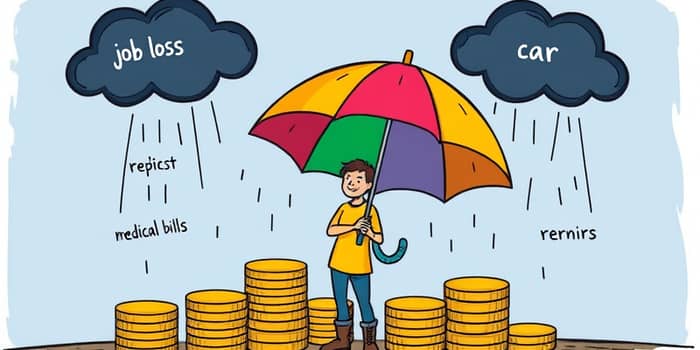
Did you know that a staggering 24% of Americans have no emergency savings at all? In today's uncertain world, having a robust financial buffer is more crucial than ever.
An emergency fund is a dedicated bank account with cash set aside for large, unexpected expenses. It acts as a dedicated financial safety net to avoid relying on high-interest credit cards or loans.
This fund provides invaluable peace of mind and reduces financial stress, allowing you to handle crises without derailing your financial goals.
Life is full of surprises, and not all of them are pleasant. From an unexpected job loss to essential medical emergency expenses, unforeseen events can strike at any time.
Without a safety net, you might be forced into risky financial decisions. This could mean dipping into retirement savings or accumulating debt.
The benefits of having an emergency fund are numerous and impactful. They provide a shield against life's uncertainties.
On the flip side, not having one can lead to significant risks. You might have to resort to costly high-interest loan options or jeopardize your long-term financial health.
Financial experts universally recommend saving three to six months of essential living expenses. This includes costs like groceries, housing, utilities, and debt payments.
However, the right amount depends on your personal circumstances. For instance, if you have a stable job and no dependents, three months might suffice.
For those with dependents, variable income, or in layoff-prone industries, aiming for six months or more is wise. Retirees should consider 18-24 months, as they lack a paycheck cushion.
Here's a breakdown of recommended amounts based on different life situations. These guidelines help personalize your savings target.
To personalize your target, calculate your monthly essential expenses. Multiply by the number of months that fit your risk profile.
This table shows the current state of emergency savings in 2025. It highlights the gap between comfort and reality.
Recent statistics reveal a concerning picture. Only 40% of Americans are comfortable with their emergency savings.
Moreover, 56% of U.S. adults cannot cover a $1,000 emergency from savings. This underscores the urgent need for better financial preparedness.
Age gaps are also evident. For example, 24% of people aged 45-60 have no savings. Compare this to 16% of those 61-79.
Generation Z shows a high need for savings. With 50% feeling they need six months or more to feel comfortable.
These numbers show that while many aspire to have a robust safety net, few actually achieve it. Action is needed now.
Starting an emergency fund can seem daunting. But with a clear plan, it's achievable. Treat it as a non-negotiable monthly bill to prioritize savings.
Begin by setting a small, realistic goal. Even saving $20 a week can add up to over $1,000 in a year.
Here are practical strategies to build your fund. Consistency will lead to success.
Make saving a habit. You'll see your fund grow steadily with dedication.
While building your emergency fund, be aware of common mistakes. One risk is over-saving in cash accounts. This can miss out on investment returns.
Another pitfall is using the fund for non-emergencies. Predictable costs like holiday gifts should come from separate savings.
To ensure your fund is used correctly, define what constitutes an emergency. True emergencies require immediate attention.
Avoid dipping into the fund for planned expenses or desires. This discipline will keep your safety net intact.
Your emergency fund should be easily liquid and accessible but also safe. The best place is a high-yield savings account with FDIC insurance.
These accounts offer interest earnings while keeping your money protected up to $250,000. Your funds are secure even if the bank fails.
Accessibility is crucial. You should be able to withdraw or transfer money quickly without penalties. Avoid accounts with restrictions or high fees.
By choosing the right account, you ensure that your emergency fund is ready when you need it most. Peace of mind follows.
Building an emergency fund is one of the most empowering steps you can take. It provides security and freedom in an unpredictable world.
Start small, stay consistent, and adjust as your life changes. Remember, the goal is not perfection but progress.
With a solid emergency fund, you can face challenges with confidence. Knowing you have a reliable financial safety net to catch you.
Take the first step today. Open that savings account, set up automation, and begin your journey to financial peace of mind. Your future self will thank you.
References