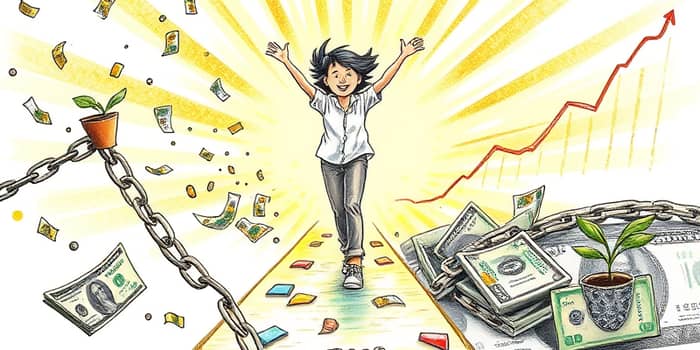
Debt detox is a transformative journey designed to break the cycle of owing more than you earn. Like flushing toxins from the body, it involves a strategic, holistic approach to eliminating debt by combining rigorous repayment plans with lifestyle adjustments. This method urges a focus on long-term financial freedom rather than temporary relief.
In an era when credit comes easily but savings grow slowly, anyone can accumulate balances that feel impossible to clear. Yet, by following a clear plan and holding oneself accountable, it is possible to recover control, reduce stress, and pave a sustainable path forward. This guide lays out each step, from organizing balances to renegotiating rates, empowering readers to reshape their financial destiny.
Debt can become a hidden drain on your energy and dreams. High interest rates turn small balances into overwhelming obligations, while minimum payments barely scratch the surface of what you owe. Without a cohesive game plan, it is easy to get trapped by recurring bills and surprise fees.
When ignored, debt can erode confidence and limit opportunities like home ownership, education, or retirement. Embracing a detox mindset means choosing to confront these liabilities head-on, recognizing them as obstacles to build sustainable financial wellness and security. It is a pledge to reclaim your resources and redirect them to meaningful goals.
Before launching any repayment effort, catalog every liability. Documenting what you owe clarifies priorities and motivates action. Take time to gather statements, online login details, or loan documents and sort them methodically.
By visualizing every account, you eliminate mental clutter and equip yourself with real data. This step lays the foundation for selecting the best repayment strategy and measuring progress over time.
To make headway, stop adding to the problem. Credit cards and loans that tempt you must be neutralized. Remove the means to overspend and commit to a spending freeze on non-essentials until critical milestones are met.
Tapping into a frugal lifestyle without credit reliance helps break patterns of impulse buying. In doing so, you reclaim cash that can be redirected toward principal balances, accelerating your path to zero.
Budgeting is not a one-time exercise but a living tool. Establish a monthly plan that allocates income to essentials, debt payments, and a small buffer. Use apps or spreadsheets—whatever keeps you engaged and informed.
Monitor each category and adjust as needed. If you notice unexpected spending patterns cropping up, revisit line items and make tough choices. The goal is to free up maximum cash flow without creating unsustainable restrictions that lead to burnout.
Over time, this practice fosters accountability, helping you celebrate small victories and identify areas ripe for further savings.
Choosing the right method can mean the difference between a slow burn and a swift avalanche of progress. The two most popular techniques offer distinct advantages, but both can succeed when executed consistently.
Evaluate your temperament and financial situation to decide which approach aligns with your goals. Remember that momentum—whether from saving more interest or celebrating early wins—will carry you forward.
Negotiation is a powerful lever for reducing your cost of borrowing. Many creditors will lower interest rates or offer modified payment plans if you ask. It never hurts to call and explain your commitment to pay off debt faster.
Consider taking on side work or selling unused items to bolster your repayment fund. Each dollar you free up beyond the minimum payment accelerates principal reduction over time and compounds into significant savings on interest.
Once a debt is paid off, add its payment amount to the next target. This rolling effort ignites a multiplier effect—sometimes called an "avalanche momentum" or "snowball effect"—that hastens your journey to debt freedom.
Achieving a debt-free status is only the beginning. To prevent relapse and lay the groundwork for future wealth, embrace habits that promote lasting stability and growth.
By integrating these adjustments, you create a buffer against future financial shocks and ensure that the lessons of this detox extend into every aspect of your money life. Each decision becomes an opportunity to reinforce positive behaviors and protect your progress.
Debt detox is a comprehensive, empowering process that demands honesty, discipline, and perseverance. By break the cycle of debt through systematic assessment, eliminating new liabilities, and choosing the right repayment strategies, you reclaim control of your finances.
Remember, the journey to zero balances is as much psychological as it is numerical. Celebrate small wins, adjust your plan as obstacles arise, and remain committed to the principles of this approach. With consistent action, you can transform a burdensome situation into a foundation for prosperity.
Now is the time to take the first step: create your hit list, craft a budget, and choose your strategy. Each dollar repaid is a victory and a building block for build wealth after your detox. Embrace this challenge and discover the freedom that lies on the other side of debt.
References