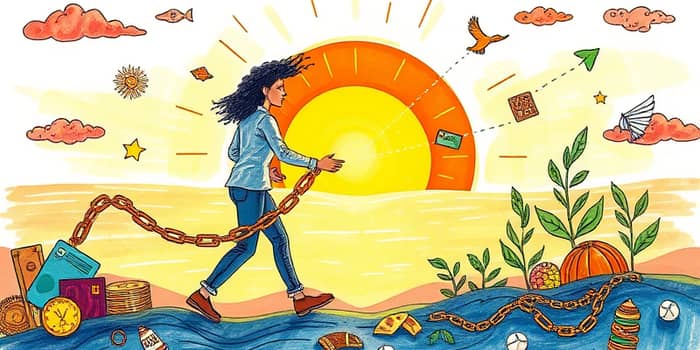
Debt can feel like a weight that grows heavier over time, sapping our sense of security and freedom. Yet, just as our bodies respond to cleansing routines, our finances can thrive under a structured, holistic process designed to eliminate bad habits and replace them with sustainable practices.
In this guide, you’ll learn how to cleanse bad financial habits and build a clear path toward lasting prosperity.
Debt detox is more than repaying balances—it’s a comprehensive approach that addresses the root causes of financial strain. Like a health cleanse, it demands awareness, commitment, and a willingness to change lifelong patterns.
Key pillars of this process include:
By shifting your mind from debt obsession to focus on abundance creation, you lay the foundation for both emotional relief and economic stability.
Recent data highlights the urgency: total U.S. household debt reached $18.8 trillion in Q4, up $191 billion on the prior quarter. Meanwhile, 72% of consumers surveyed aim to tackle debt in 2025, with nearly half targeting credit card balances first.
These trends reveal that debt affects households at every income level, and a growing number of people seek structured solutions rather than quick fixes.
Several proven frameworks guide you through reclaiming financial control. While each has unique steps, they all emphasize assessment, prioritization and momentum-building.
Each step builds on the previous one, creating a sustainable cycle of progress and motivation.
Choosing between the debt snowball and debt avalanche methods depends on your financial and psychological needs. Below is a comparison:
For example, an $18 000 combined debt with varying interest rates might cost thousands in interest under the snowball approach, but the emotional lift of early victories often keeps people on track.
A successful debt detox requires more than repayment plans; it demands realigned spending habits and intentional income strategies. Begin by auditing every expense from the past month to identify unnecessary charges.
Tools like budgeting apps and financial podcasts offer accountability and inspiration as you solidify new routines.
Banks and credit unions leverage data analytics to track liquidation rates by delinquency bucket, identify early payoff patterns, and segment customers for tailored support. You can adopt similar practices on a personal level:
Global institutions like the World Bank emphasize transparency and proactive debt management—principles you can mirror by maintaining clear records and seeking expert advice when necessary.
Impulse purchases during sales events and lifestyle pressures can derail progress. Combat these hurdles by setting strict waiting periods for nonessential buys and celebrating milestones every time a debt is cleared.
Remember, the psychological benefit of clearing a single account can propel you forward. As you reduce clutter from multiple payments, you experience both mental relief and tangible financial gains.
Ultimately, debt detox is a transformative journey. By assessing your current standing, choosing a strategic repayment path, and reinforcing positive habits, you move closer to true financial freedom. Embrace this challenge as an opportunity to cultivate discipline, build resilience, and unlock a future defined not by burdens but by boundless possibilities.
References