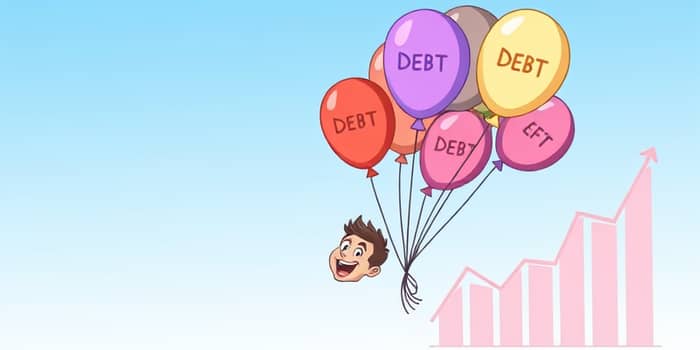
Are you drowning in a sea of bills and credit card statements? Debt consolidation can be your saving grace, offering a way to simplify your financial life.
This strategy combines various debts into one, making repayment straightforward and less stressful.
Imagine reducing stress and saving money with a clear path to debt freedom.
Debt consolidation is a financial approach that merges multiple debts into a single loan or payment plan.
It includes debts like credit cards, personal loans, and medical bills.
This method focuses on restructuring payments for efficiency, unlike debt settlement which negotiates reductions.
Common consolidation options are personal loans, balance transfer credit cards, and home equity loans.
Not everyone benefits, but it can be ideal in specific scenarios.
If you have high-interest debt, consolidating can slash your interest costs significantly.
Multiple debts with varying due dates can overwhelm anyone.
Consolidation streamlines this into one monthly payment.
It's not recommended for those with poor credit or if it extends repayment too long.
Embracing debt consolidation can lead to numerous advantages.
Simplified finances mean less stress and a reduced risk of missed payments.
With one payment, budgeting becomes easier and more predictable.
Lower interest rates can save you a substantial amount over time.
For example, consolidating $9,000 at 25% APR into a lower rate loan cuts interest costs dramatically.
Fixed repayment schedules provide predictability, helping you plan ahead.
Unsecured options like personal loans don't risk your home or assets.
While beneficial, debt consolidation has its risks.
Upfront costs like fees can offset savings, so calculate total expenses carefully.
If your credit score is low, you might get higher interest rates.
Extending the repayment period can increase total interest paid.
Be aware of these pitfalls to make an informed decision.
Follow these steps to consolidate your debt effectively.
First, assess your financial situation by calculating total debt and checking your credit score.
Next, shop for options like personal loans or balance transfers.
Then, apply for the new loan, which will pay off your old debts.
This process ensures a smooth transition to consolidated payments.
To maximize the benefits, adopt these best practices.
Create a realistic budget that includes your new payment.
Cut unnecessary spending to prevent re-accumulating debt.
Monitor your credit utilization and make payments on time.
Building good financial habits is key to long-term success.
Understanding the numbers can make consolidation more tangible.
For instance, $9,000 debt at 25% APR with $500 monthly payments incurs about $2,500 interest over two years.
Consolidating to a lower rate can significantly reduce this burden.
Balance transfer cards offer 0% APR for up to 21 months, providing temporary relief.
Fixed rates in loans ensure no surprises, aiding in financial planning.
It's not for everyone, and recognizing this is crucial.
If you have poor credit, you might not qualify for better rates.
Undisciplined spenders risk accumulating more debt after consolidation.
Those with low savings potential might struggle with new payments.
Address root causes like overspending before consolidating.
Debt consolidation is more than just a financial tool; it's a pathway to peace of mind.
By simplifying your debts, you can focus on building a secure financial future.
Remember, it requires discipline and a commitment to change spending habits.
With the right approach, you can turn overwhelming debt into a manageable plan.
Take the first step today towards a fresh start and regain control of your finances.
References