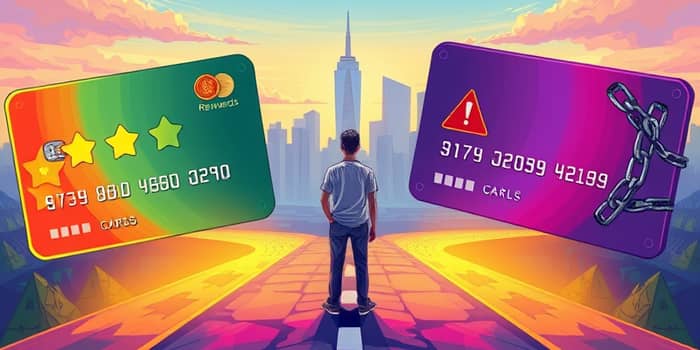
Credit cards are everywhere, shaping the way consumers spend, save, and build credit. In 2026, over 800 million cards circulate in the United States alone, and millions more are active in Canada. Yet the question remains: do these plastic tools empower users or entangle them in debt?
In this article, we’ll explore how credit cards can be both allies and adversaries. You’ll discover actionable tips for making them work in your favor and practical advice for steering clear of common pitfalls.
Credit cards offer more than just a way to pay. They provide convenience for everyday purchases and powerful rewards that can translate into real savings. In 2022, Americans earned $41.1 billion in rewards, averaging 1.6 cents back per dollar spent. Nearly 94% of consumers express satisfaction with their cards, and 90% value the perks they receive.
Beyond rewards, cards offer robust fraud protection. When unauthorized charges occur, consumers often pay nothing out of pocket, while debit card fraud can directly drain bank accounts. Cards also help build long-term financial health, especially for Gen Z and Millennials forging credit histories, and serve as vital safety nets during emergencies.
Despite their benefits, credit cards can become financial traps. U.S. card balances recently hit $1.2 trillion, driven by high interest rates averaging 22.8%. Carrying a balance month to month can lead to quickly escalating charges, making it harder to escape debt.
Rewards programs are often regressive. High-income, prime-credit holders net $7.3 to $16 per month, while subprime consumers pay $6.40 more in interest than they earn in rewards. Additionally, global fraud losses are projected to reach $43 billion by 2026, with account takeovers and online holiday scams spiking dramatically.
Your credit score tier often determines which cards and terms you can access. Here is a snapshot of utilization rates across score categories in the U.S.:
Those with higher scores enjoy access to premium interest rates and lucrative rewards, while lower-score borrowers may only qualify for higher-cost store cards and subprime products.
Selecting a card that fits your lifestyle is critical. Whether you travel frequently or want simple cashback on groceries, compare APRs, fees, and reward caps. Look beyond sign-up bonuses to ensure ongoing benefits align with your spending habits.
Once you have the right card, best practices will keep interest and fees at bay. Always pay the statement balance in full when possible. Set up automatic payments to simplify your budgeting and tracking and avoid late fees.
The credit card landscape remains resilient. Post-pandemic spending growth continues, with general-purpose volume up 101% since 2015. Fintech innovations like virtual cards and real-time alerts promise to enhance security and user control.
In Canada, competition drives first-year bonuses averaging $1,361 and 4–10% cashback on essentials. U.S. issuers are likely to expand category bonuses and refine AI-driven fraud detection. Consumers who stay informed can benefit from maximizing rewards without overspending and adapting to evolving offers.
Credit cards are powerful tools when used responsibly. They offer rewards, protection, and credit-building opportunities but require vigilance to avoid debt and fees. By understanding rate structures and choosing cards tailored to your needs, you can harness their benefits.
Embrace credit cards as partners in your financial journey. With responsible spending and strategic planning, these plastic rectangles can help you weather emergencies, optimize every dollar, and build a strong credit profile for the future.
References